
Protecting our environment is a crucial part of an integrated approach to modern surface water management and sustainable drainage systems (SUDS).
Contamination of our ground water and watercourses from hydrocarbons (petrol, diesel and engine oil) carried by surface water runoff poses serious threats to the environment. The SUDS approach requires “source control” of surface water runoff.
Oil separators form part of this approach by treating surface water runoff on site prior to discharge into a watercourse or sewer system. They work by separating oil contamination from water flows. Oil and silt are retained within the separator until they can be removed safely from the site, with the treated water being allowed to discharge.


Where are oil separators required?
Any site where there is a risk of surface water being contaminated by hydrocarbons needs to have measures in place to prevent pollution of the environment. Oil separators are installed on sites where there is a risk of accidental spillages or leaks of oil from vehicles or plant and machinery.
Typical sites at risk include:
- Car parks
- Areas where goods vehicles are parked or manoeuvred.
- Vehicle maintenance areas.
- Industrial sites where oil is stored or used.
- Refuelling areas.
- Any site with a risk of contamination from petrol, diesel, or engine oil.
We offer a range of separator options, each available in various chamber sizes and flow rates to manage the different types of sites. These separators are designed to tackle the most challenging contamination issues, ensuring that your water management systems remain efficient and compliant.


There are two class standards for separators:
Class I
Designed to achieve discharge concentrations of less than 5 mg/litre of oil under standard test conditions. These separators are required for discharges to surface water drains and the water environment.
Class II
Designed to achieve discharge concentrations of less than 100 mg/litre of oil under standard test conditions. They are suitable for dealing with discharges where a lower quality requirement applies, for example where the sewer provider allows discharges to the foul system.
What Our Customers Say

Brilliant from beginning to end Kevin and team very efficient and informative always quick to respond to any queries. Highly recommend the team on site polite and very professional really pleased
Nicola M.
Very helpful staff giving good advice, quick delivery of the 3 pumping stations we ordered which was as described on there website
Michael W.
Great company to do business with. Keen prices, reliable delivery and exceptional after sales service. Just a shame more companies can’t manage to keep up.
John J.
I have been using Drainstore for the last 4 years. They have always been great with their customer service and technical advice to make sure you get the right tank for the specific site conditions.
Chris B.
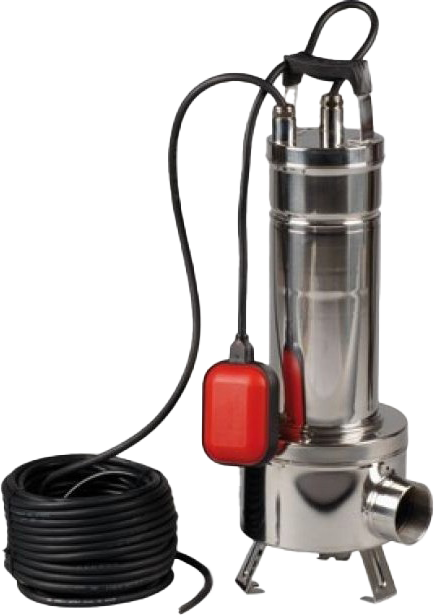
We install a wide range of leading brands